A 9 kg cylinder could last well into the next week in one home and be empty within a few days somewhere else.
The difference is usually how long the heater is switched on each day and how much gas that heater burns. The heat level also has an effect because a heater can consume more LPG at a higher output.
Some heaters burn through LPG more quickly than others, which is why the g/h number is useful. You can find it on the heater or in the user manual. A rate of 200g/h gives you around 45 hours from 9 kg of gas.
You do not have to turn every cold evening into a maths exercise. One quick check can give you a sense of how long the gas should last before you must replace the cylinder.
How long can you expect a 9kg cylinder to last?
There is no set answer such as “a 9 kg bottle lasts three days.” The bottle gives you 9 kg of gas. What happens from there depends on the heater and how high you have it turned up.
Here are a few estimates:
|
Gas consumption |
Approximate time from 9kg |
|
100g/h |
90 hours |
|
150g/h |
60 hours |
|
200g/h |
45 hours |
|
250g/h |
36 hours |
|
300g/h |
30 hours |
The figures above are examples, not guaranteed times for a specific heater.
At 200g per hour, you have about 45 hours of heating from 9 kg of LPG. Three-hour evenings use that slowly enough for around 15 days. At six hours a day, you would get about seven days from the same cylinder.
A heater near 300g/h would offer 30 hours from 9kg. At three hours each evening, you are looking at about 10 evenings.
Those estimates are usually far more helpful than a blanket claim that every 9kg bottle lasts a set number of days.
Your heat level makes a difference
Many portable gas heaters offer more than one heat level.
A lower level can consume less LPG than the highest level, depending on the heater. If you switch all panels on for several hours, the cylinder can empty sooner than it would with one panel on.
Gas consumption is not always based on one heat setting from start to finish. You might warm the room more quickly at first, then lower the heat once you are comfortable.
You do not have to calculate each change. Check the gas rate for the heat level you choose most of the time and treat the result as an estimate.
If your heater has separate g/h figures for low, medium, and high heat, those figures give you a more accurate idea than the number of panels alone.
Daily heater time can change your refill date by weeks
The number of hours per day can have an even more significant effect than you might expect. Three hours each evening gives you about 21 additional heater hours a week. Six hours a day doubles that amount.
Therefore, a household where the heater is turned on after sunset could go much longer between cylinder exchanges than an office, reception area, workshop, or shop where heat is required throughout much of the day.
Pretoria households can also have very different winter routines. In one house, the heater might only be switched on after dinner. In another, it is used first thing in the morning and again later in the day.
An exact refill date is not the goal. Knowing whether you are likely to get another few days or another couple of weeks is usually enough to avoid an empty bottle at an inconvenient time.
What if the cylinder supplies another appliance?
A 9kg cylinder connected only to a gas heater is fairly easy to estimate. If the same gas supply feeds another appliance, some of the LPG will be used elsewhere. The heater can then account for only part of the cylinder’s total consumption.
A household might, for example, have more than one LPG appliance in regular service. In that case, an estimate based only on heater hours can make the cylinder appear empty earlier than anticipated.
The same principle applies to small businesses. If several appliances draw LPG from one supply, total consumption is what determines the refill interval.
How can you tell how much gas is left?
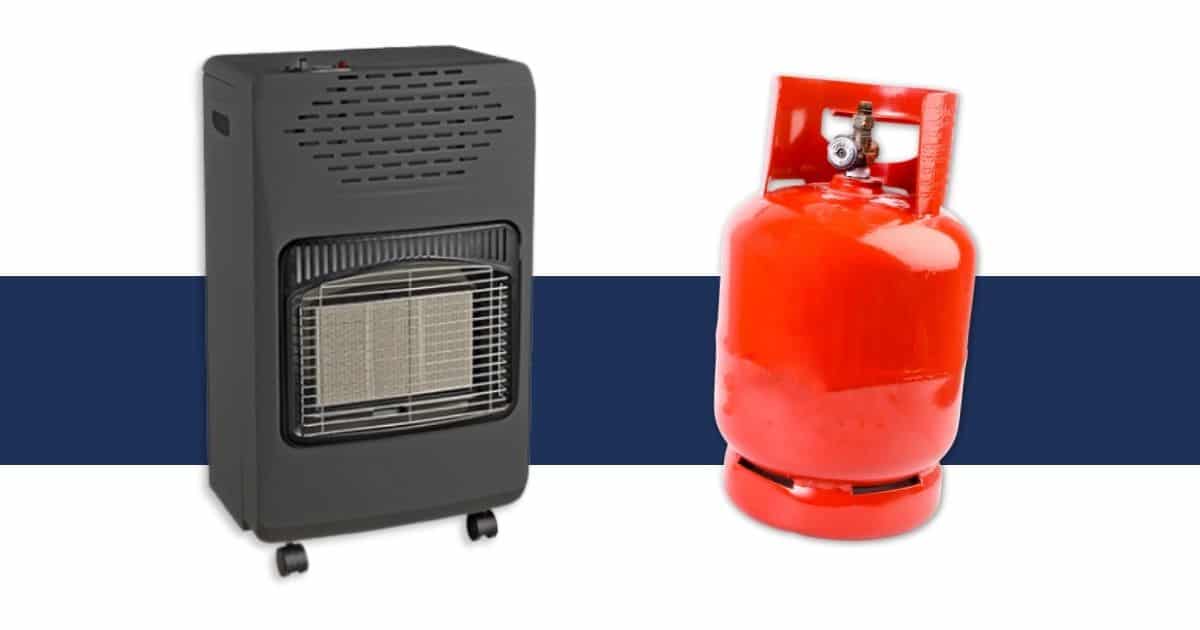
You do not have to wait for the flame to disappear before you get an idea of what is left in the cylinder.
A gas cylinder has an empty weight, known as its tare weight. The figure is marked on the cylinder. Budget Gas also explains tare weight and cylinder weight on its 9kg LP gas information page.
Weigh the cylinder, then subtract the tare weight. If the cylinder weighs 13kg and its tare weight is 8kg, there is approximately 5kg of LPG left.
You can leave the calculation there if all you want to know is whether another bottle should be arranged soon. There is little value in trying to predict the final hour.
Cylinder weight can also help when you think the gas has disappeared much sooner than expected. A bottle that still contains LPG points back towards the appliance, regulator, connection, or another possible cause.
When a cylinder empties sooner than you expected
A bottle that lasted two or three weeks a previous time will not always give the same number of days the next time.
You might have had the heater on for longer periods, selected a higher heat level more frequently, or had colder days where the heater was used earlier.
A different heater can also consume LPG at another rate, even if both appliances are similar in size.
An unexplained gas smell should never be dismissed as high consumption. Close the cylinder valve and have the appliance checked before you light it again.
South African LPG safety guidance advises ventilation, regular appliance checks, and closure of the gas supply at the cylinder after the appliance is off.
Gas heater safety comes before cylinder life
Knowing roughly when your gas could run out helps with your next refill or exchange. However, safe LPG use takes priority, and you should take these precautions:
- Make sure the room has adequate ventilation while the heater is on.
- Place the cylinder upright on a stable surface.
- Check the regulator, hose, and connections for visible damage.
- Never detach the cylinder, regulator, or connections while the heater is lit.
- Close the gas supply at the cylinder after the heater is off.
- Never leave an active gas heater unattended.
- If you smell gas, close the cylinder valve, avoid flames or sparks, ventilate the area, and have the appliance checked before you light it again.
Budget Gas has more information on hoses, regulators, ventilation, and appliance checks in the LP gas appliance safety guide.
Plan your next 9kg refill or exchange
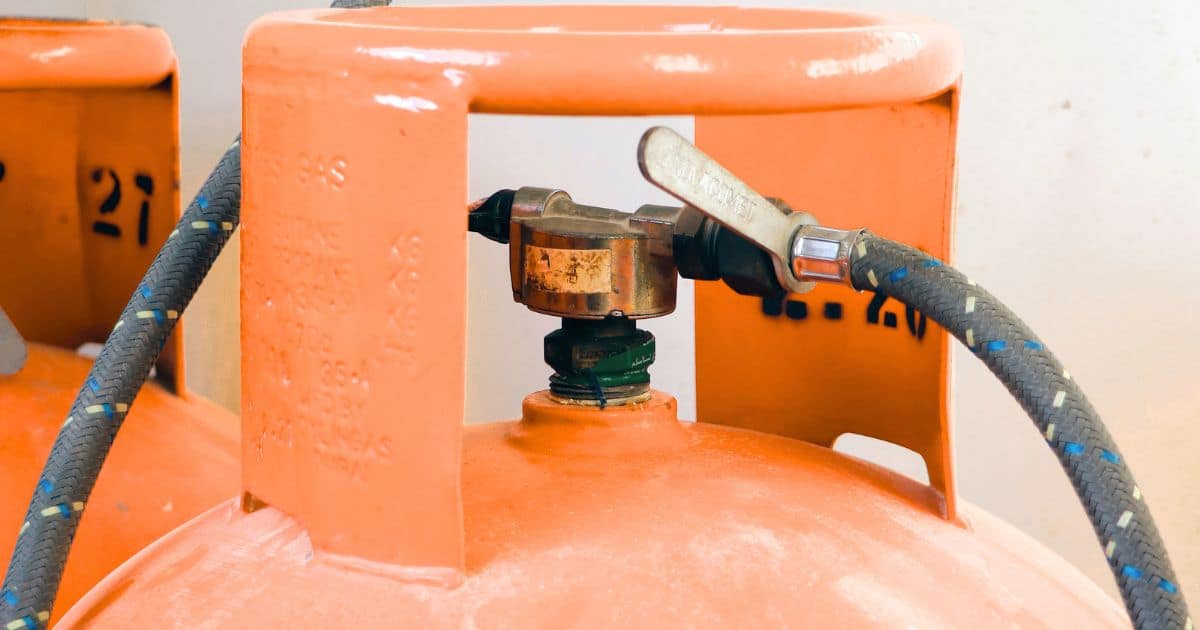
You do not need to wait until the heater stops before you think about another cylinder.
If you know roughly how many heater hours you get from 9kg and how frequently the heater is on, you can get a reasonable idea of when the next refill or exchange might come up.
Someone who relies on a gas heater every evening might prefer to arrange another cylinder before the current one empties. A business that depends on LPG during working hours has another reason to watch its usual refill interval.
Budget Gas supplies residential and commercial customers in Pretoria, with refill, exchange, and delivery services within its Pretoria service area. Its Newlands and Monumentpark locations also provide cylinder refill and exchange services.
The 9kg LP gas page has cylinder and exchange information if 9kg is suitable for your heater.
Frequently asked questions
How many hours can a 9kg gas cylinder last with a heater?
It depends on the heater’s gas consumption. At 200g/h, 9kg of LPG gives roughly 45 hours. A higher gas rate means fewer heater hours from the cylinder.
Can a 9kg gas cylinder last two weeks?
Yes, depending on the heater and how long it is on each day. A heater with roughly 45 hours available from a 9kg cylinder could give about 15 evenings at three hours per evening.
Does one heater panel consume less gas than three panels?
It can, depending on the heater. Check the appliance specification because different models have different gas rates at each heat level.
Does a lower heat level make the cylinder last longer?
If the heater consumes less LPG at the lower level, yes. The g/h figures in the appliance information will tell you how much the rate differs.
How can I check whether my 9kg cylinder is nearly empty?
Weigh the cylinder and subtract the tare weight marked on the bottle. The difference gives you an approximate LPG weight.
Is a 9kg cylinder suitable for a portable gas heater?
A 9kg cylinder is sold by Budget Gas for household LPG applications, but the cylinder, regulator, and connection must be compatible with your specific heater. Check the appliance instructions before connection.
A rough estimate is usually all you need
A 9kg cylinder does not come with a fixed number of heater days. Your appliance, heat level, and daily heater time decide how far the LPG goes.
Check the heater’s gas rate once, compare it with your normal routine, and you will have a good idea of when another cylinder could be due.
If you are unsure about the right cylinder for your heater, an exchange, or a refill in Pretoria, Budget Gas can help you work out the sensible option for your home or business.