


How to Tell If a Gas Cylinder Is Empty or Leaking
A South African Guide to Safe LPG Use
If you use LP gas (LPG) at home or for business in South Africa — for cooking, water heating, or outdoor heaters — knowing when a cylinder is empty or leaking isn’t just convenient; it’s essential for safety and compliance. LPG is highly flammable and heavier than air, so leaks can quickly become dangerous. Let’s explore practical ways to spot an empty cylinder versus a leak, keeping you and your family safe.
Smell First: The Rotten-Egg Signal
LPG is naturally colourless and odourless. Suppliers add a strong rotten-egg scent to help detect leaks. If you smell this near a cylinder, regulator, or hose, it’s a warning. Turn off the valve immediately and ventilate the area. Gas that settles at floor level can ignite easily, so early detection is crucial.
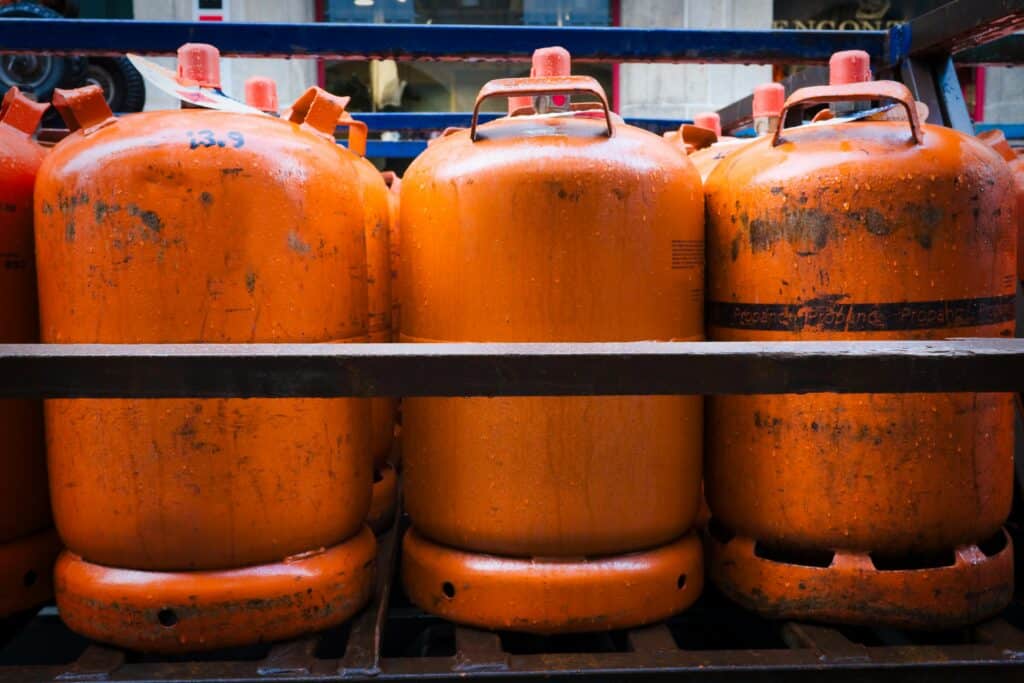
Empty or Leaking? How to Tell
1. No Flame, No Gas — Likely Empty
If your appliance won’t light and there’s no smell, the cylinder may simply be empty. A simple hot water test can confirm:
- Pour warm water down the side of the cylinder.
- Wait a few seconds, then feel the metal.
- A cooler band indicates the liquid gas level; a uniform warm temperature means the cylinder is probably empty.
Why it works: LPG absorbs heat, cooling the cylinder where liquid gas is present. Once empty, this effect disappears.
2. Hissing or Bubbling? Check for Leaks
If you smell gas or hear a hiss, that’s likely a leak:
- Turn off the cylinder valve.
- Apply a soapy water solution to valves, regulators, and hose connections.
- Bubbling indicates gas escaping.
Never use a flame to test for leaks — it’s extremely dangerous.
Leaking cylinders should be moved outdoors, away from ignition sources, and inspected by a certified technician immediately.
Cylinder Seals & Safety Checks
Ensure cylinders have an intact, branded seal and valid inspection marks. In South Africa, reputable suppliers provide sealed, tested cylinders. Missing or damaged seals are a red flag for potential underfilling or safety hazards.
Explore the different gas cylinder sizes to identify which one you have.
Practical Safety Tips
- Always ventilate the area when using LPG.
- Keep cylinders upright to prevent liquid gas from reaching the regulator.
- Turn off cylinders when not in use.
- Use the soapy water test regularly.
- Keep a fire extinguisher nearby.
Knowing the signs of an empty or leaking LP cylinder is simple, practical, and life-saving. Trust your senses, perform quick checks, and call a professional if in doubt — your safety is worth it.
At Budget Gas we also provide reliable Gas Appliance Maintenance.
FAQ's
Yes. Low-volume leaks may be subtle; routine checks with soapy water or a gas detector are recommended.
A soft initial hiss is normal, but steady hissing indicates a leak — get it checked.
No. Only trained technicians should handle regulators and hose fittings to ensure proper safety.