


Gas cylinders are essential in South African homes, restaurants, industrial sites, and farms, providing liquefied petroleum gas (LPG), oxygen, acetylene, and other industrial gases.
However, improper handling, resale, or disposal of cylinders can be dangerous, leading to explosions, environmental harm, or legal penalties.
Understanding the correct procedures for selling or disposing of gas cylinders ensures safety, compliance with South African regulations, and protection of your assets.
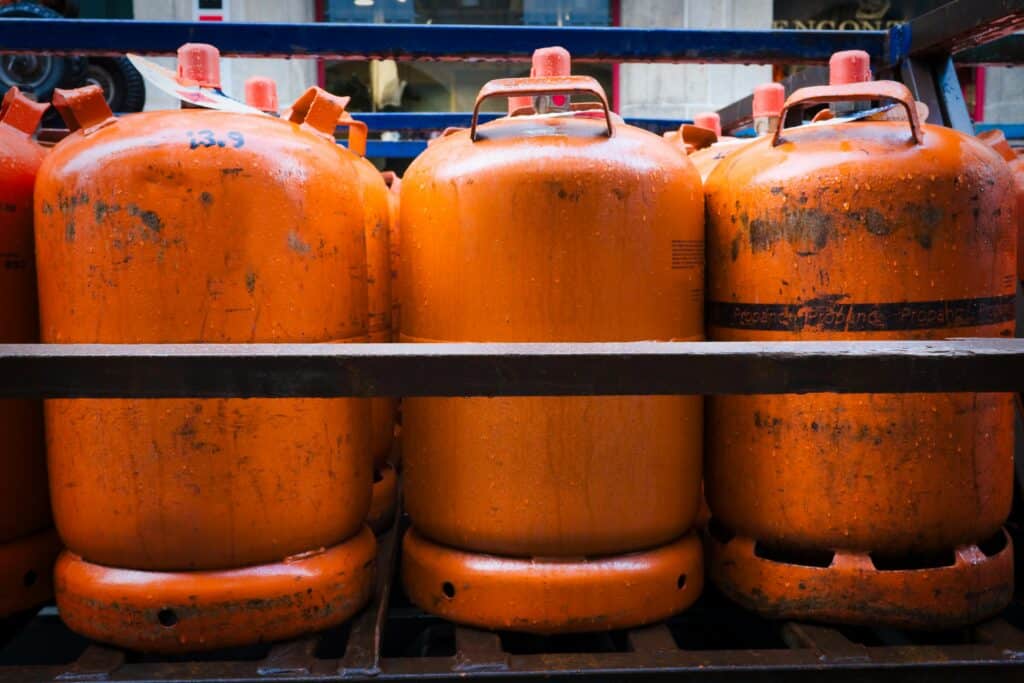
Know Your Cylinder Type
Before selling or disposing, identify the type, size, and condition of the cylinder:
- LPG cylinders (common in households and small restaurants)
- Industrial cylinders such as oxygen, acetylene, or nitrogen used in welding, hospitals, or laboratories
- Size and weight: Cylinders range from small 2.5 kg camping LPG bottles to large 50 kg industrial tanks
Check for manufacturer markings, expiry dates, and inspection stamps. South Africa’s Occupational Health and Safety Act (OHSA) requires that cylinders be pressure-tested and certified. Expired or damaged cylinders are unsafe for resale.
In Practise: A restaurant in Cape Town’s V&A Waterfront replacing its 9 kg LPG cylinders must ensure the old units are inspected or returned to the supplier before purchasing new ones.
Selling Gas Cylinders
Selling gas cylinders is straightforward if the cylinder is in good condition:
- Return to supplier: Many LPG and industrial gas suppliers in South Africa operate a deposit system. Empty or used cylinders can be exchanged for full ones, ensuring safety and certification.
- Authorized resale: Some industrial cylinders can be resold to certified buyers or contractors, but only after inspection and compliance with SANS standards for pressure vessels.
- Verify certification: Cylinders must have current hydraulic or pressure test stamps. Unsafely resold cylinders are illegal and hazardous.
Practical tip: Never sell a cylinder without ensuring it is depressurized, clean, and leak-free. Even small leaks can create explosive conditions during transport.
Disposing of Gas Cylinders
If a cylinder is expired, damaged, or cannot be sold, follow legal and safe disposal procedures:
- Return to supplier or manufacturer: Most LPG suppliers in South Africa accept damaged or expired cylinders. They are professionally decommissioned, vented, and recycled.
- Authorized recycling centers: Industrial cylinders can be delivered to scrap metal recyclers equipped to safely depressurize and cut up the metal. Locations in Gauteng, Western Cape, and KwaZulu-Natal specialize in industrial gas cylinder recycling.
- Never landfill: Dumping cylinders in municipal waste is illegal and extremely dangerous due to pressurized gas. South Africa’s National Environmental Management: Waste Act (NEMWA) requires proper handling of hazardous materials.
In Practise: A farm in Mpumalanga retiring old oxygen cylinders from veterinary use would transport them to a licensed recycling center in Nelspruit rather than discarding them on-site.
Safety Considerations
Safety is paramount during cylinder handling:
- Always keep cylinders upright to prevent leaks or pressure hazards.
- Avoid heat exposure, especially for LPG cylinders, which expand under high temperatures.
- Use gloves and safety glasses when handling or transporting damaged cylinders.
- Check for rust, dents, or valve damage — compromised cylinders must not be sold or reused.
Legal Compliance
In South Africa, compliance with SANS 10019 (LPG cylinders) and Occupational Health and Safety regulations is required. Suppliers, recyclers, and businesses are obligated to ensure that:
- Cylinders are certified and inspected regularly
- Expired cylinders are removed from circulation
- Disposal follows environmental guidelines
Non-compliance can result in fines, prosecution, or workplace accidents.
Conclusion
Whether selling or disposing of gas cylinders, South African businesses and households must prioritize safety, certification, and legal compliance. Returning cylinders to authorized suppliers, using licensed recycling centers, and following proper handling protocols protects people, the environment, and property.