


How LP Gas Regulations Work in SA
Liquefied petroleum gas, more commonly known as LP gas, has become the backbone of South African homes and businesses.
It powers stoves, heats water on farms and keeps small enterprises running when the grid falters.
But behind this convenience is a structured regulatory system designed to keep people safe while securing a reliable supply.
Budget Gas offers affordable 48kg gas refill solutions and affordable gas appliances for homes and businesses in Pretoria.
The framework behind the flame
LP gas in South Africa is governed by a mix of national standards, safety codes and industry oversight.
At the centre is the requirement that all installations comply with the South African National Standards, particularly those covering gas systems and storage. These standards are enforceable rules that determine how gas is stored and installed.
While suppliers and installers operate commercially, they must align with these standards as well as broader occupational health and safety legislation. This sees that whether gas is used in a suburban kitchen or on a remote farm, the same safety principles apply.
Installation and certification
One of the most important elements of LP gas regulation is the role of the registered gas installer. Not only must installations be carried out by qualified professionals, but they must also be certified once complete.
This certification, often referred to as a Certificate of Conformity, confirms that the system meets all required safety standards.
This is not a once-off concern. Any modification to the system, along with property transfers, might require a new certificate. This creates accountability while giving homeowners and buyers peace of mind that the installation is safe and compliant.
Storage, handling and transport
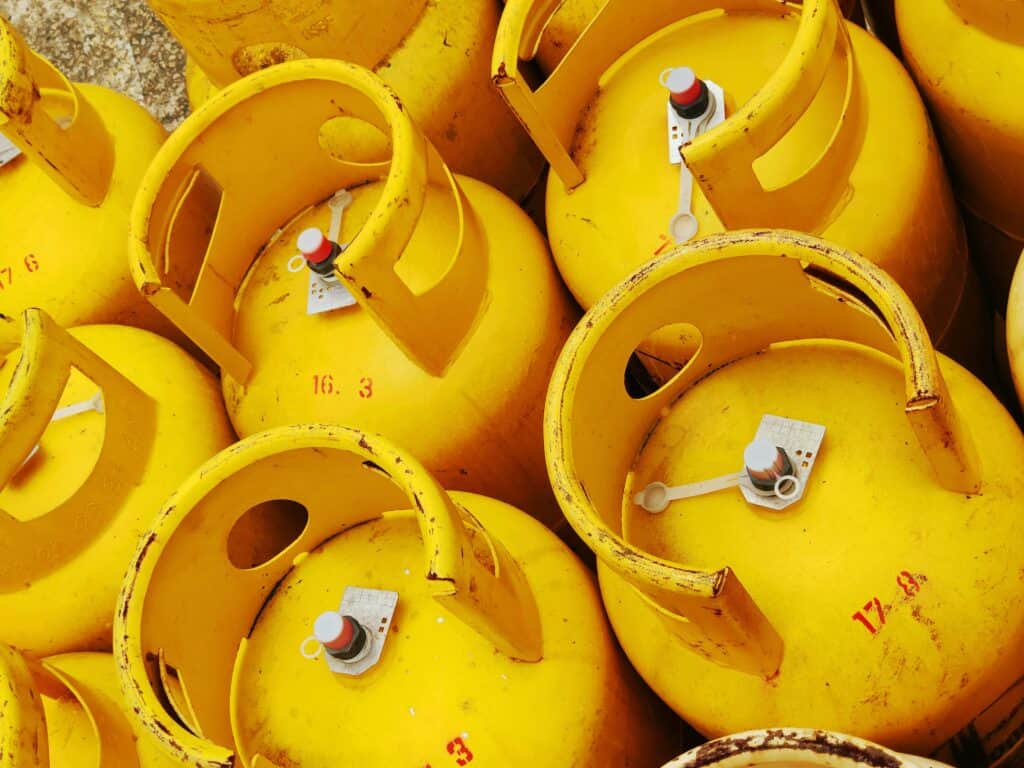
Gas cylinders may look simple but they are actually tightly controlled. Regulations govern how they are filled, transported and stored, with strict limits on quantities depending on the environment.
For example, residential properties can only store a certain volume without additional safety measures in place.
Cylinders must be handled upright during transport, secured properly and protected from damage, while vehicles carrying larger quantities must comply with hazardous goods regulations.
These rules may feel excessive at first but they exist to prevent leaks or fires and more serious incidents.
Why this regulation is important
LP gas regulation allows households to cook, heat and live without second-guessing the system behind the scenes. The regulation also supports industry growth, as clear rules create a level playing field for suppliers while protecting consumers.
In a country where energy self-sufficiency is becoming increasingly important, LP gas continues to step forward as a practical solution. Regulations mean that as the role of gas expands, safety does not fall behind but instead strengthens alongside it.