Budget Gas Font size up

012 004 1614

Give Us A Call

Total Energies Newlands

294 Dely Rd, Newlands,
Pretoria
Open 24 Hours

exchange and refill
Tel: 012 348 2461

Budget Gas Waterkloof

27 Solomon Mahlangu Ave, Monumentpark, Pretoria
Open 07:00 - 17:30

exchange and refill
Tel: 012 004 1614

Total Energies New

What Is LPG and How Can It Benefit Your


LPG (liquefied petroleum gas) can benefit a home by powering cooking, hot water and heating even during electricity outages, since compatible gas appliances don’t rely on mains power to generate heat. It also offers a portable, storable fuel supply and, for some households, a lower running cost than electricity, though savings depend on your appliances, usage and current LPG and electricity prices.

Whether LPG is the right fit for your home, and how much it will save you, depends on those three things. We’ll break each one down below.


How we verify this information:

Safety and regulatory statements on this page are checked against published guidance from SAQCC Gas and the LPG Gas Association of South Africa (LPGSA), and against the SANS 10087 standard series. Cost and consumption figures are drawn from published South African industry sources and are illustrative estimates, not guaranteed outcomes for any specific household. Regulatory references were last verified in August 2026; details such as standard revisions or registration processes can change, so always confirm current requirements with SAQCC Gas or your installer before actin

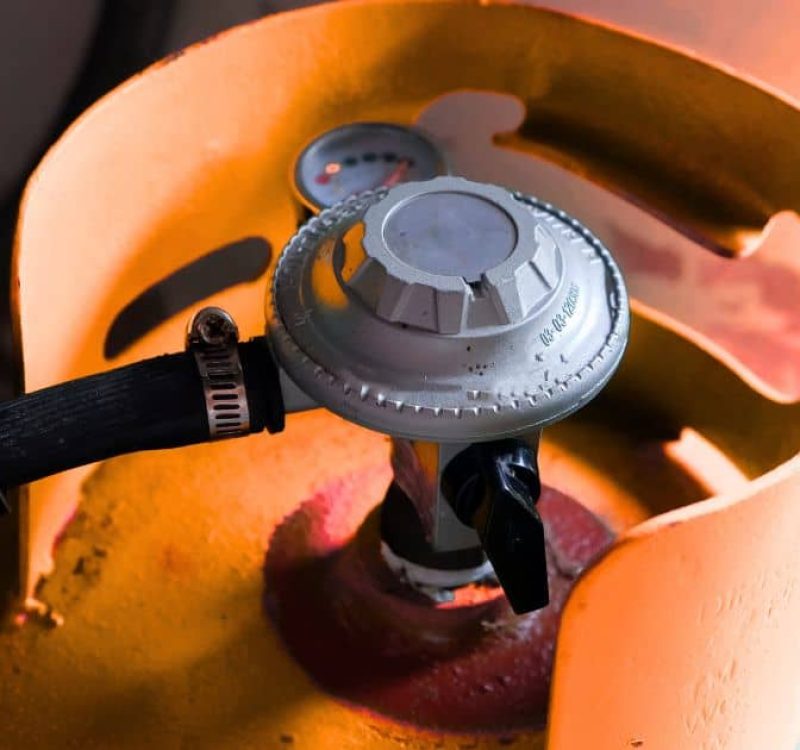
Close-up of LP gas cylinder and regulator for home use.

What Is LPG?


LPG, or liquefied petroleum gas, is a fuel that consists mainly of propane, butane, or a blend of the two, depending on the supplier and application. “LP gas” is the same fuel; suppliers use the two terms interchangeably, and this page uses LPG as the primary term from here on.

LPG is stored as a pressurised liquid, which lets a relatively large amount of fuel fit into a compact cylinder. When the pressure is released through a regulator and valve, the liquid turns back into gas and burns in the appliance.

Most cylinders sold at petrol stations, hardware stores and dedicated suppliers like Budget Gas are LPG, refilled or exchanged once empty. If you already own a cylinder, Budget Gas offers a 19kg LPG refill for customers who supply their own.

LPG vs Natural Gas: What’s the Difference?


Home gas appliances are built for either LPG or natural gas, and the two aren’t interchangeable without a conversion kit.


LPG

Natural Gas

Main components

Propane, butane, or a mix

Mostly methane

Storage

Pressurised liquid in a cylinder

Not stored on-site

Delivery

Cylinder refill or exchange

Piped directly to the property

Appliance/conversion requirements

Appliances built for LPG, or a conversion kit fitted by a registered installer

Appliances built for natural gas; separate connection and metering by the network operator

Availability in South Africa

Widely available through gas suppliers and retailers nationwide, since it doesn’t depend on pipeline infrastructure

Limited to areas with piped gas network infrastructure, which covers only parts of the country

Typical home uses

Cooking, hot water, space heating

Cooking, hot water, space heating


LPG is produced during oil refining and recovered during natural gas processing. Because it can be stored as a liquid under pressure, it’s practical to transport and store in cylinders, which is why LPG rather than a pipeline connection is the realistic option for most South African homes, given how limited piped gas networks are outside a few metro pockets.

What Are the Benefits of LPG at Home?
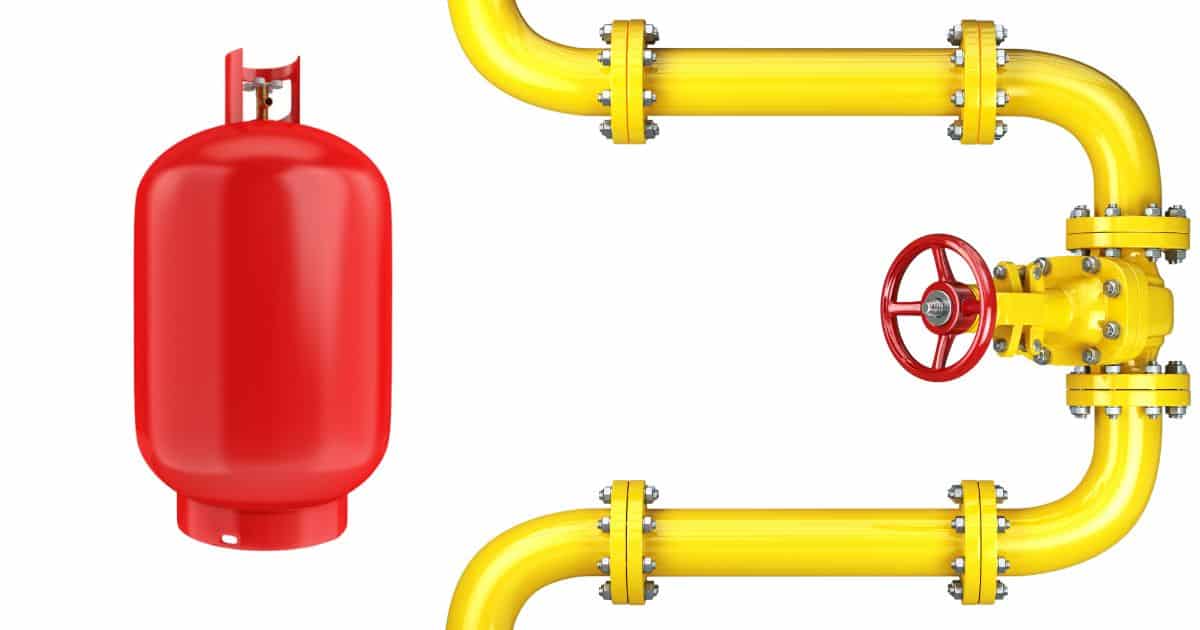
Diagram comparing LPG cylinder storage with natural gas pipeline supply


Faster, more controllable cooking.

Gas burners respond instantly when you adjust the flame, unlike electric plates. Limitation: this doesn’t apply to gas hobs paired with electric ovens, where only the hob gets the benefit.


Hot water on demand.

A gas geyser heats water as it flows through rather than storing a fixed tank, so you’re less likely to run out during back-to-back showers. Limitation: this only holds if the geyser is correctly sized for your household; an undersized unit will still run short during heavy simultaneous use.


Heating your home or outdoor space.

Gas heaters and patio heaters warm a room or patio quickly and keep working through outages. Limitation: only fully mechanical (non-electric-ignition) heaters keep working with no power at all; fan-assisted heaters may still need mains power.


Continued use during electricity outages.

Gas appliances don’t need mains electricity to generate heat, so compatible stoves, geysers and heaters keep working during load-shedding. Limitation: this only applies if the appliance’s ignition and controls are also gas or battery-powered; some modern gas appliances use electric ignition and controls that stop working without power.


Works across multiple appliances.

LPG can run braais, patio heaters and camping equipment on one fuel source. Limitation: each appliance still needs its own correctly sized cylinder or connection; one large cylinder isn’t automatically compatible with every appliance type.


A portable, storable energy supply.

A full cylinder is stored energy you control, unlike grid electricity. Limitation: this depends on the cylinder and installation staying properly maintained and compliant; a damaged or poorly stored cylinder is a safety risk, not a convenience.


Potential cost advantages.

LPG can be cost-effective for some households, depending on appliance efficiency, usage and current LPG and electricity prices. Limitation: this isn’t guaranteed for every household. See the worked example below before assuming it applies to you.

Is LPG Cheaper Than Electricity? A Worked Example

Family preparing a meal on an LPG gas stove


The figures below are hypothetical, labelled clearly, and for illustration only. They are not Budget Gas pricing; use your own current LPG cost and electricity tariff for a real comparison.


Scenario

a family of four replaces their electric geyser with a gas geyser.

  • Assumed LPG price: R28/kg (hypothetical)
  • Assumed electricity tariff: R3.00/kWh (hypothetical)
  • Gas geyser consumption for this household size: roughly 15kg to 20kg of LPG per month, based on published South African gas-geyser usage data for family-of-four households
  • Gas geyser running cost: 15kg to 20kg x R28/kg = roughly R420 to R560/month
  • Electric geyser consumption for a comparable household: roughly 200kWh to 270kWh per month, based on published South African electric-geyser usage data for a standard 150L unit
  • Electric geyser running cost: 200kWh to 270kWh x R3.00/kWh = roughly R600 to R810/month
  • Estimated monthly saving from switching this appliance: roughly R80 to R390, depending on where each household falls in these ranges
  • Assumed installation/conversion cost: R6,000 (hypothetical)
  • Payback period at the midpoint saving (~R230/month): roughly 26 months


This example shows the mechanics of the comparison, not a promise of savings. Appliance efficiency, insulation, household habits and current pricing all move these numbers. To do this for your own home:

  1. Find your LPG cost per kg from your supplier’s current pricing.
  2. Find your electricity tariff per kWh from your latest municipal or Eskom bill.
  3. Check your appliance’s efficiency and rated output, usually on the appliance’s data plate or manual.
  4. Estimate your usage, for example hours of cooking or geyser use per week.
  5. Add installation or conversion costs, then calculate how many months of savings it takes to recover that cost.


We’ve covered the comparison in more detail in Gas vs Electricity.


Who Is LPG Suitable For?

LPG tends to make the most sense for households that:

  • Experience regular load-shedding or unplanned outages and want cooking or hot water to keep working
  • Use gas appliances heavily and daily, where the cost difference versus electricity is more noticeable
  • Already have, or are willing to install, a compliant gas connection and cylinder storage area
  • Want a backup fuel source for braais, patio heating or camping alongside indoor use


When LPG May Not Be Suitable

  • No compliant outdoor storage space, for example some apartments or complexes where body corporate rules restrict cylinder storage
  • Very light, occasional use, where refill logistics and upfront installation cost outweigh the benefit
  • Renting without landlord permission for a fixed gas installation
  • Budget doesn’t stretch to the upfront installation or conversion cost, even if running costs would eventually offset it
  • No realistic way to store a spare cylinder safely, which reduces the outage-resilience benefit that draws many households to LPG in the first place


Choosing the Right Cylinder Size


Cylinder size should match your actual consumption, not just what’s available. Based on published South African gas-appliance consumption data:

  • Cooking only (roughly one burner, one hour a day): typically uses around 2kg to 3kg of LPG per month, so even a 9kg cylinder can often last three months or more.
  • Daily cooking on a full stove, no geyser: typically uses around 5kg to 9kg per month, so a 9kg cylinder may need monthly refilling, while a 14kg or 19kg cylinder can often stretch to two or three months.
  • Daily cooking plus a gas geyser (family of four): gas geysers alone commonly use around 15kg to 25kg per month for this household size, so a 19kg cylinder often needs refilling roughly monthly, which is why many households in this bracket move to a 48kg cylinder to cut refill frequency.


Actual consumption varies with appliance efficiency, flow rate and household habits, so treat these as planning ranges rather than fixed numbers. For a fuller breakdown by appliance combination, see our gas cylinder size guide.

Is LPG Safe to Use at Home?

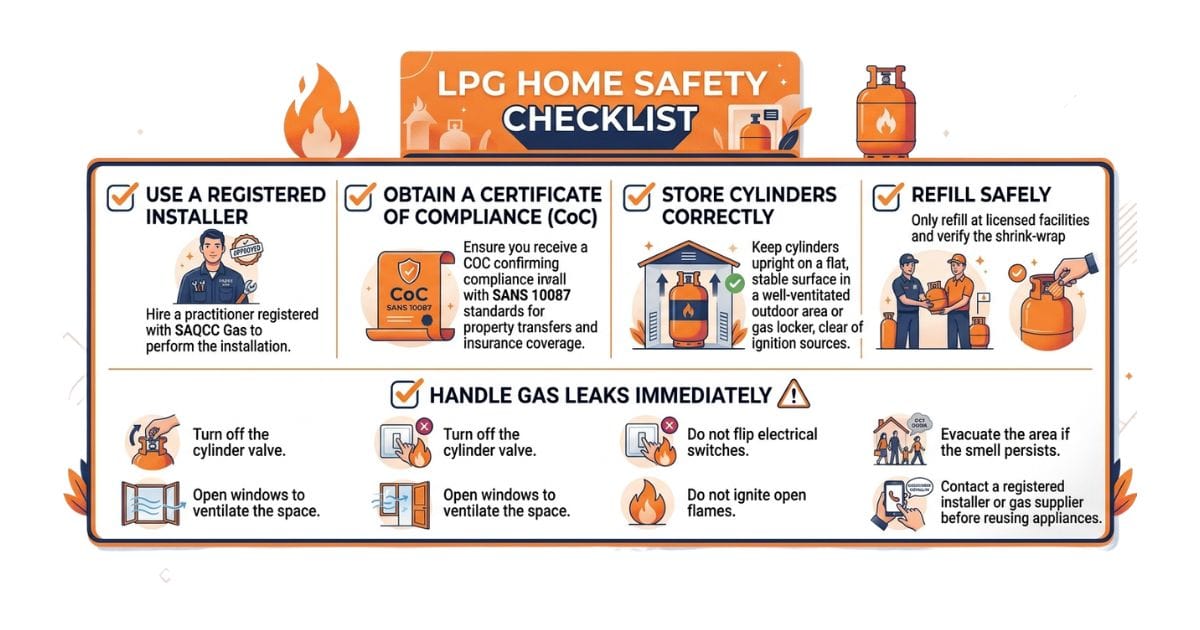
Safe LPG cylinder storage and handling checklist

LPG is safe when it’s installed, stored and handled correctly. In South Africa, domestic LPG installations fall under the Pressure Equipment Regulations of the Occupational Health and Safety Act and must follow the SANS 10087 series of standards (verified against SAQCC Gas and LPGSA guidance, August 2026).

Use a registered installer. Installations must be carried out by an installer registered with SAQCC Gas, the body mandated by the Department of Employment and Labour to register gas practitioners. A registered installer issues a Certificate of Compliance (CoC) once the work is done, confirming the installation meets SANS 10087 requirements. Under South African law, a valid CoC is required when transferring a property that has a gas installation. Insurers may also require a CoC to honour a claim involving a gas installation, though requirements vary by policy, so confirm the specifics with your insurer or conveyancer rather than relying on a general rule.

Store cylinders correctly. Cylinders should stand upright on a stable, flat surface in a well-ventilated outdoor area or a purpose-built gas locker, away from ignition sources. Larger cylinders, such as 48kg, typically must be stored outdoors. See our guide on storing your gas cylinder for full detail.

Only refill at licensed facilities, and check for an intact shrink-wrap seal on any exchanged cylinder before accepting it.

If you smell gas: turn off the cylinder valve first. Don’t operate any electrical switches or naked flames. Ventilate the area by opening doors and windows. Leave the area if the smell doesn’t clear. Then contact a registered installer or your gas supplier before using any gas appliance again.

Full regulatory detail is available from the LPG Gas Association of South Africa (LPGSA) and SAQCC Gas.

Frequently Asked Questions


Do I need a Certificate of Compliance for an LPG installation?

Yes. Any fixed LPG installation must be done by a SAQCC Gas-registered installer, who issues a CoC confirming the work meets SANS 10087 standards. A valid CoC is a legal requirement when transferring a property with a gas installation, and many insurers require one to honour a claim involving gas; check your specific policy.


What size LPG cylinder do I need for my home?

It depends on your appliances and usage. Cooking-only households often manage on a 9kg cylinder for three months or more, daily cooking alone typically needs a 14kg to 19kg cylinder, and households running a gas geyser as well commonly move to 19kg or 48kg to reduce refill frequency. See our cylinder size guide for a full breakdown.


Is LPG cheaper than electricity?

It depends on your appliance efficiency, usage and current LPG and electricity prices. Our worked example above shows the calculation method: comparing cost per kg against your electricity tariff, appliance consumption and usage is the only reliable way to know for your household.


Can gas appliances still work during a power outage?

Yes, as long as the appliance’s ignition and controls don’t rely on mains electricity. Most standard gas stoves, geysers and heaters keep working during load-shedding; some appliances with electric ignition won’t.


Do I need a professional to install my LPG connection?

Yes. South African law requires fixed LPG installations to be done by a SAQCC Gas-registered installer. Unregistered installation work isn’t legally compliant and can affect insurance and property-sale requirements.


Is LPG a Good Choice for Your Home?

LPG can offer a practical alternative for cooking, hot water and heating, with the added benefit of staying usable during electricity outages. Savings aren’t guaranteed though. They depend on your appliances, usage and current gas and electricity prices, which is why it’s worth running the calculation in the worked example above rather than assuming either fuel wins by default. Getting the installation and cylinder storage right, using a registered installer and following SANS 10087 requirements, matters more than the fuel choice itself.

Is LPG Right for Your Home?

Before you decide, it helps to answer:

  1. Which appliances would you run on gas: cooking, hot water, heating, or all three?
  2. How often do you experience load-shedding or unplanned outages?
  3. Do you have outdoor space for compliant cylinder storage?
  4. What’s your current electricity tariff, and how does it compare to local LPG pricing?
  5. Can you budget for installation or conversion costs upfront?


If LPG looks like a fit, Budget Gas supplies and refills LPG cylinders across Pretoria East, Centurion, Pretoria Central, Pretoria West and Moot. This article is educational information to help you decide; Budget Gas is a supplier of the fuel and equipment discussed, not an independent regulator. For current pricing, cylinder availability and delivery options, get in touch with our team and let us know your suburb, which appliances you want to run on gas, your household size, and your current cylinder size if you already have one. That’s enough for us to quote accurately without back-and-forth.