


Gas cylinders are a common sight in South African homes, businesses, and industries. Used for cooking, welding, heating, or medical purposes, these cylinders carry pressurised gases that must be handled with strict safety measures.
One important aspect often overlooked by consumers is the cylinder’s expiry date. Understanding what this means and why it matters is not only a legal requirement but also a crucial step in securing safety.
Explore the different gas cylinder sizes to identify which one you have.
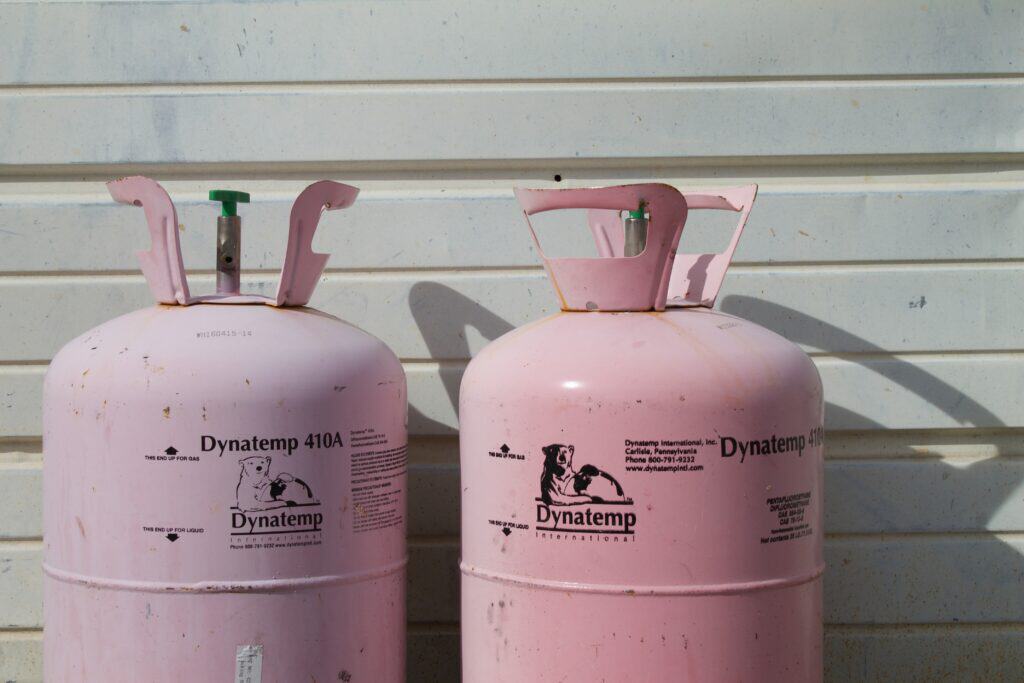
What is a gas cylinder expiry date?
Every gas cylinder in South Africa is manufactured with a stamped date that indicates when it was last tested or manufactured. Unlike perishable goods, this date does not refer to the gas inside expiring, but to the cylinder’s structural safety.
Gas cylinders are designed to withstand high pressure, but over time, metal fatigue, corrosion, or physical damage can compromise their strength.
Typically, cylinders are tested every five years to confirm their integrity. The date is usually engraved on the neck or shoulder of the cylinder, sometimes followed by a letter or mark to show the next re-test schedule.
If the cylinder has passed its expiry date without re-testing, it should not be refilled or used.
Why does compliance matter?
In South Africa, the handling of gas cylinders is regulated by SANS (South African National Standards) and overseen by industry bodies to ensure compliance. Suppliers are required to refuse refilling expired or uncertified cylinders.
This is because using an unsafe cylinder increases the risk of leaks, explosions, or injuries. For businesses, especially those in hospitality and industry, non-compliance can also result in penalties, fines, or legal liability in the event of an accident.
Safety for households and businesses
For households, an expired cylinder can be just as dangerous as in an industrial setting. A compromised cylinder may develop leaks that could cause fires or toxic exposure. That’s why it’s important to always check the cylinder’s stamped date before purchasing or refilling.
Reputable suppliers will make sure cylinders are within the safety period and regularly tested.
Businesses, especially restaurants, manufacturing plants, and hospitals, should have strict protocols in place to rotate cylinders before expiry. Routine inspections and partnerships with accredited suppliers help maintain compliance and reduce risks.
Final thoughts
Gas cylinder expiry dates are vital markers of safety and compliance. In a market where gas remains essential for both homes and industries, following these guidelines protects lives and property.