


The first thing that people generally notice when they compare gas cylinders is the price.
What is lost is the effect of the cylinder size on long-term expenses and convenience.
When it comes to refills, too frequent a turn can be expensive and cumbersome, while overly large cylinders can require a larger initial outlay than necessary.
In South Africa, 9kg, 19kg and 48kg cylinders are used for residences, food companies, outdoor cooking, and bigger commercial setups.
They all have advantages and disadvantages depending on how much LPG you use.
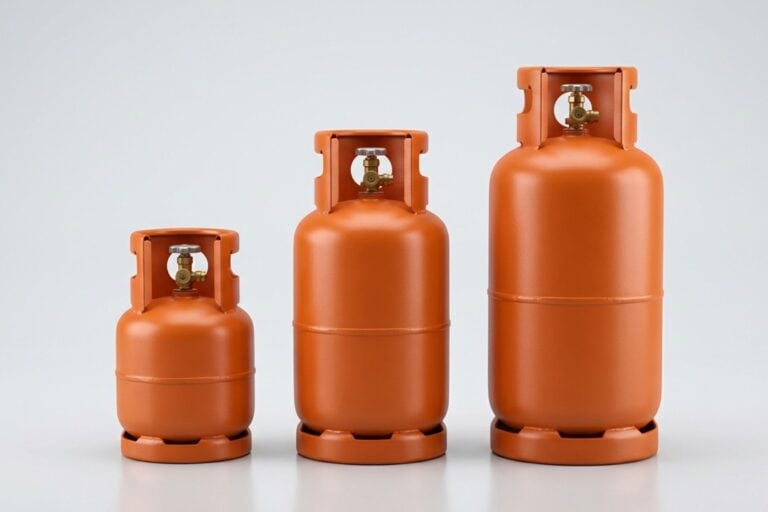
Why Gas Cylinder Sizes Matter
When people compare gas cylinders, price is usually the first thing they look at. The problem is that price on its own says very little.
A cheaper cylinder can end up costing more if the size does not match the amount of gas your household goes through each month. Choosing the wrong cylinder size can lead to:
· Frequent refill trips
· Running out of gas unexpectedly
· Paying more over time
· Storage and portability issues
· Reduced efficiency for high-demand appliances
The right LPG cylinder should match:
· Your appliance load
· Daily usage habits
· Available storage space
· Mobility requirements
· Refill convenience
Comparing 9kg vs 19kg vs 48kg Gas Cylinders
Cylinder Size | Best For | Estimated Usage Duration* | Portability | Typical Applications |
9kg | Small households & portable use | 2–6 weeks | Extremely high | Camping, braais, small stoves |
19kg | Medium households | 1–3 months | Moderate | Family cooking, geysers |
48kg | High-consumption homes & businesses | 2–6 months | Low | Restaurants, commercial kitchens |
*Actual usage depends on appliance size and frequency of use.
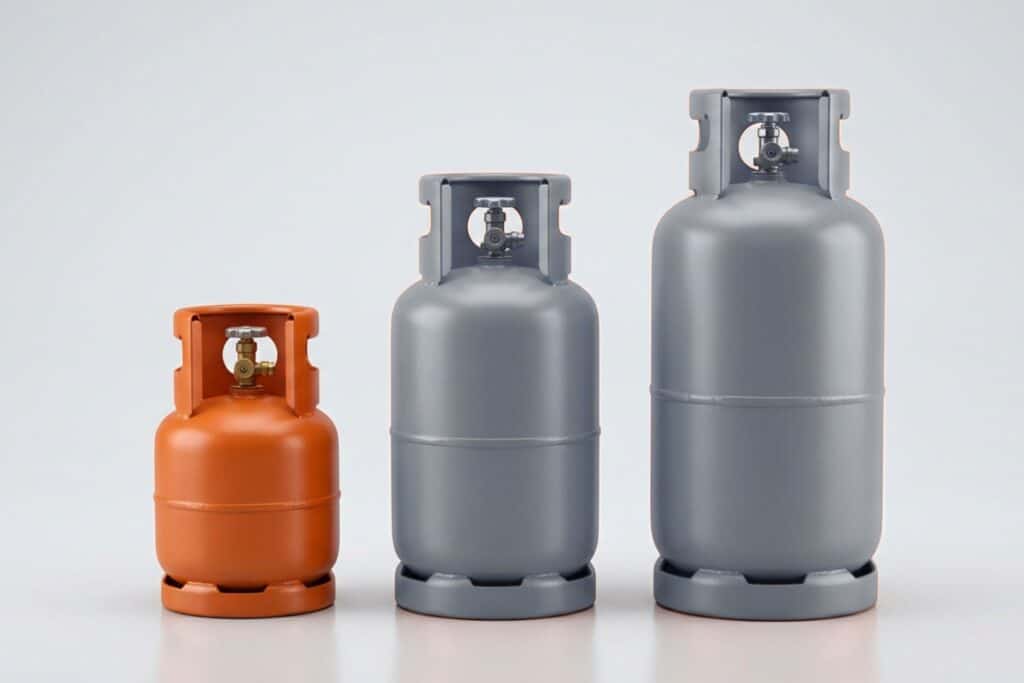
9kg Gas Cylinders
A 9kg gas cylinder is ideal for:
· Small apartments
· Couples or small families
· Camping and caravanning
· Portable braais
· Backup cooking solutions
· Occasional gas usage
Advantages
Lightweight and Portable One of the biggest advantages of a 9kg cylinder is portability. It is easy to transport, swap, and store.
Lower Upfront Cost If gas is used infrequently or in small quantities, it may be more economical to use a smaller cylinder as it has a lower purchasing price.
Perfect for Outdoor Use Portable gas appliances work especially well with 9kg bottles.
Limitations
· Requires more frequent refills
· Not ideal for multiple appliances
· Can run out quickly in winter or during heavy cooking periods
Recommended If…
Choose a 9kg gas cylinder if:
· You only cook occasionally with gas
· You need portability
· You use gas mainly for braais or camping
· You have limited storage space
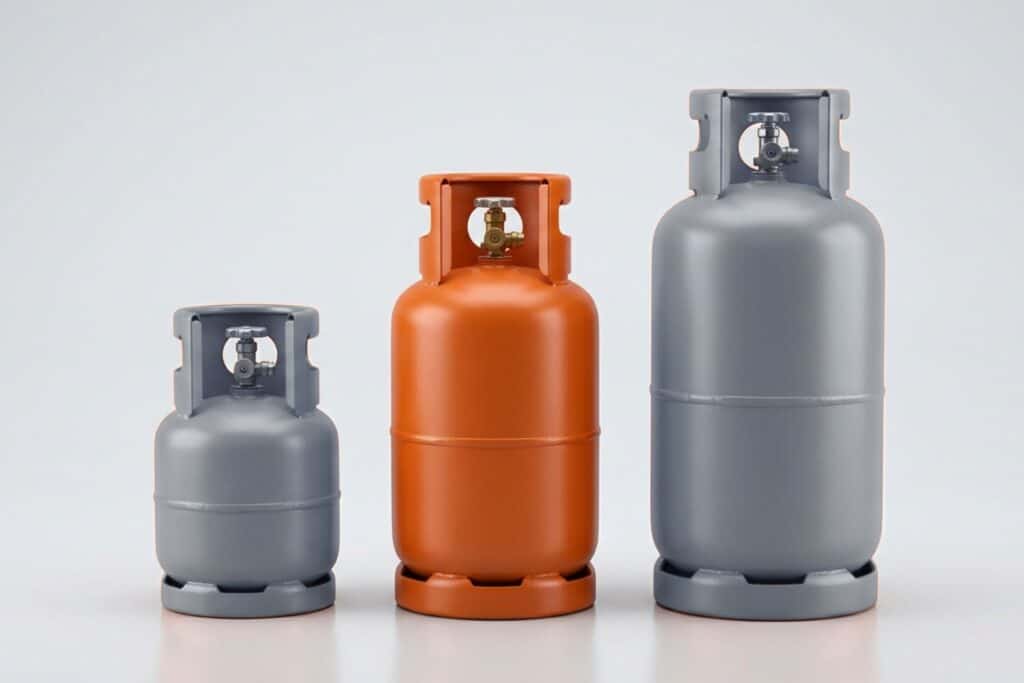
19kg Gas Cylinders
The 19kg cylinder is often considered the best all-round residential option. It works well for:
· Medium-sized households
· Daily cooking
· Gas stoves and ovens
· Small gas geysers
· Moderate gas consumption
Advantages
Better Long-Term Value Compared to smaller cylinders, 19kg bottles reduce refill frequency and improve convenience.
Balanced Size and Capacity They offer a good middle ground between portability and storage efficiency.
Suitable for Multiple Appliances A 19kg cylinder can comfortably support:
· A gas hob
· Small heater
· Gas geyser
· Oven usage
Limitations
· Heavier to transport
· May still require monthly refills for larger households
· Less convenient for mobile use
Recommended If…
A 19kg gas cylinder is usually the best option if:
· Your household cooks daily
· You want fewer refill trips
· You use more than one gas appliance
· You want a balance between affordability and capacity
48kg Gas Cylinders
48kg cylinders are designed for high-volume gas consumption. They are commonly used by:
· Restaurants
· Catering businesses
· Guest houses
· Large households
· Commercial kitchens
· Homes with full gas installations
Advantages
Long Refill Intervals A 48kg cylinder can last significantly longer than smaller alternatives.
Better for High-Demand Appliances These cylinders are ideal for:
· Multiple gas stoves
· Industrial cooking
· Large gas geysers
· Continuous heating systems
Lower Risk of Running Out Businesses especially benefit from reduced downtime and fewer emergency refill situations.
Limitations
· Requires permanent placement
· Not portable
· Higher upfront refill cost
· Requires more installation space
Recommended If…
Choose a 48kg cylinder if:
· You run a food business
· Your home uses several gas appliances daily
· You want maximum convenience
· Your gas consumption is consistently high
Usage-Based Recommendations
Price is one part of it, but it should not decide everything. Start with what you need from it in daily use or for work.
Choose 9kg if:
· You use gas occasionally
· You need mobility
· You mainly use portable appliances
· You live in a small apartment
Choose 19kg if:
· Your family cooks daily
· You use gas for both cooking and heating
· You want better refill efficiency
· You need a practical household solution
Choose 48kg if:
· You operate a restaurant or catering business
· Your home is heavily dependent on LPG
· You want minimal refill interruptions
· Your gas demand is consistently high
How Long Does Each Cylinder Last?
There is not a fixed answer because usage can differ from one person to another. A cylinder may last longer or shorter based on:
· Appliance efficiency
· Cooking frequency
· Seasonal heating demand
· Number of users
· Appliance BTU consumption
Here is a general estimate:
Usage Type | 9kg | 19kg | 48kg |
Occasional cooking | 1–2 months | 2–4 months | 6+ months |
Daily family cooking | 2–4 weeks | 1–2 months | 3–4 months |
Commercial kitchen | Few days | 1–2 weeks | 1–2 months |
Safety Considerations for LPG Cylinders
Safe storage and handling matter regardless of the cylinder size selected.
· Always keep cylinders upright
· Store them where there is good ventilation
· Do not leave them exposed to direct sunlight
· Do not leave them exposed to direct sunlight
· Replace any cracked or damaged hoses
Bigger cylinders may have extra installation requirements based on local regulations and the type of setup being used.
Which Gas Cylinder Size Offers the Best Value?
The best option depends on your gas usage rather than the cylinder itself.
· 9kg cylinders work well for portability and lighter use.
· 9kg cylinders work well for portability and lighter use.
· 48kg cylinders suit households or setups using larger amounts of gas.
If replacing cylinders starts happening more frequently than you would like, moving up a size can cut down on the number of refills needed.
Frequently Asked Questions
What size gas cylinder is best for a 4-plate gas stove?
A 4-plate gas stove typically needs more LPG than smaller appliances handle comfortably, so a 19kg cylinder is usually the better fit for daily use. A 9kg cylinder can work for occasional cooking but will need more frequent refills. For a household running the stove daily alongside other appliances, 19kg balances capacity and convenience well.
How long does a 19kg gas cylinder last for a family of four?
For a family of four cooking daily, a 19kg cylinder generally lasts around one to two months, depending on how often the stove is used and whether other appliances like a geyser draw from the same supply. Households using gas only for cooking will get more time out of the cylinder than those running heating appliances too.
Can I use a 9kg gas cylinder indoors?
Smaller cylinders like the 9kg size are sometimes used indoors with portable appliances, but LPG cylinders in South Africa are subject to ventilation and placement regulations regardless of size. It’s best to confirm placement, ventilation and storage requirements with a registered gas installer before connecting any cylinder for indoor use.
What’s the actual difference between 9kg, 19kg and 48kg gas cylinders?
The difference comes down to gas capacity, portability and intended use. A 9kg cylinder is light and portable for occasional or outdoor use, a 19kg cylinder suits everyday household cooking and heating, and a 48kg cylinder is built for high-volume, continuous use in commercial kitchens or larger homes with full gas installations.
Which gas cylinder size is best for a restaurant or catering business?
Restaurants and catering businesses generally need a 48kg cylinder, or several connected via a changeover system, since commercial kitchens run multiple burners continuously. Smaller cylinders would require constant refills and risk running out mid-service. A 48kg setup reduces downtime and keeps gas supply steady through high-demand cooking periods.
Final Verdict
Gas cylinder sizes are not a case of choosing the largest or cheapest option and calling it a day. The better choice comes down to how much gas is being used and how regularly refills are needed.
The right choice depends on:
· Your monthly gas consumption
· Number of appliances
· Household or business size
· Portability requirements
· Budget and refill preferences
A 19kg cylinder works for many homes because it sits in the middle. It provides decent capacity without becoming awkward to handle or needing to be replaced too frequently.
Smaller 9kg cylinders work well for lighter use, while homes or businesses with much heavier consumption may get more value from a 48kg option.